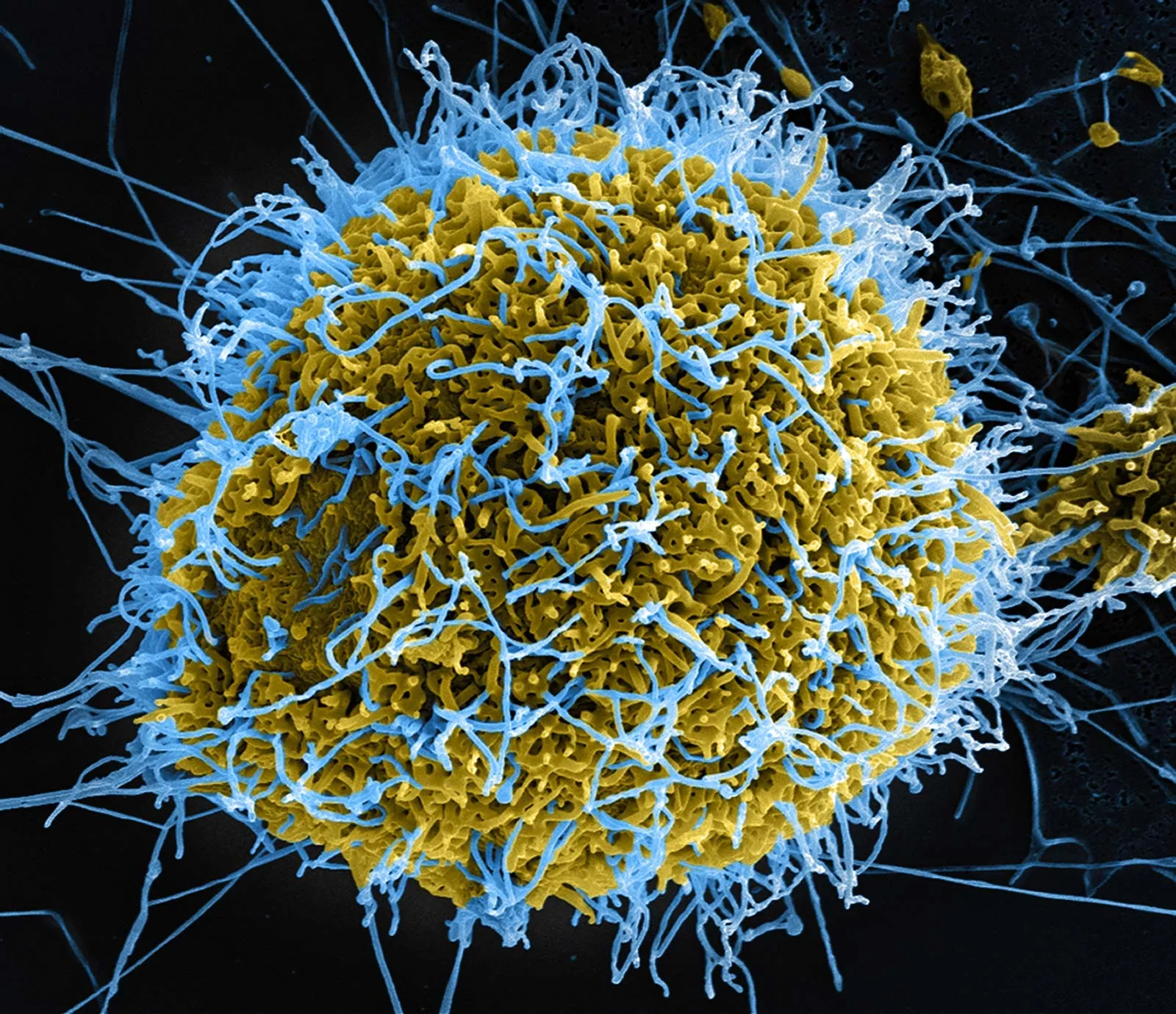
Kinshasa: The Democratic Republic of the Congo (DRC) is facing its fastest-growing Ebola outbreak in history, with the crisis rapidly evolving into a major international public health concern. The outbreak is being driven by the rare Bundibugyo virus, a species of Ebola for which there is currently no licensed vaccine or specific approved treatment.
According to the World Health Organization’s latest available weekly situation report, the DRC had recorded 4,381 confirmed cases and 2,011 confirmed deaths as of August 9, 2026, putting the case-fatality ratio at 45.9 percent. The outbreak has spread well beyond its initial epicentre in Ituri province and has affected multiple provinces and dozens of health zones.

The scale and speed of the outbreak have raised particular concern among global health authorities. WHO has described the situation as one of sustained and expanding transmission. The agency had already classified the outbreak as a Public Health Emergency of International Concern in May, under the International Health Regulations.
The outbreak was officially declared on May 15 after laboratory testing confirmed Bundibugyo virus disease in patients in Ituri. WHO said the virus had been identified in blood samples from the Rwampara Health Zone after an initial alert over an illness associated with high mortality.
A Virus With Limited Medical Options
Bundibugyo virus presents a particularly difficult challenge because, unlike some other Ebola species, there is currently no licensed vaccine or specific therapeutic treatment for it. However, researchers and international health agencies are working to change that. WHO has reported that clinical trials are underway to identify effective treatments, while candidate vaccines are also being evaluated.
Early recognition and supportive medical care remain critical. Ebola can initially resemble several other infectious illnesses, with symptoms including fever, weakness, muscle pain, headache and sore throat. As the disease progresses, patients can develop vomiting, diarrhoea, dehydration and, in severe cases, bleeding and organ failure.
Containing the virus therefore depends heavily on rapid diagnosis, isolation of patients, infection prevention and control, contact tracing and safe clinical care.
Conflict and Poor Infrastructure Complicate Response
The DRC’s difficult security and humanitarian environment has made the response considerably harder. Parts of the country, particularly in the east, have been affected by armed conflict, displacement and insecurity. Poor roads, limited healthcare infrastructure and population movement can make it difficult for response teams to reach communities quickly.
WHO has identified insecurity, high population movement and trade activity, as well as the remote and densely populated nature of affected areas, among the factors complicating containment efforts. The agency is working with national authorities to strengthen surveillance, contact tracing, clinical preparedness, supplies and community engagement.
Another major challenge is public trust. Misinformation and fear can discourage people from seeking medical care or cooperating with contact-tracing teams. Safe handling of bodies and culturally sensitive burial practices are also crucial because Ebola transmission can continue after death.
Cross-Border Threat
The outbreak has already demonstrated its ability to cross borders. Uganda reported cases linked epidemiologically to transmission originating in the DRC, while an infected humanitarian worker was medically evacuated to Germany. WHO has consequently stressed the importance of cross-border preparedness and surveillance.

This international dimension is what makes the DRC outbreak more than a national health emergency. Modern travel and population movement mean that infectious diseases emerging in remote areas can reach other countries before health authorities fully understand the transmission chain.
Scientists Race Against Time
The scientific response is accelerating alongside the outbreak. WHO says treatment trials for Bundibugyo virus disease began in July, while work is also progressing on candidate vaccines. Researchers are additionally examining whether existing Ebola vaccines could offer some degree of cross-protection.
The current crisis also highlights the importance of studying viruses that are considered relatively rare. Bundibugyo virus has caused previous outbreaks, but its limited geographic history has meant that medical countermeasures remain less developed than those available for other Ebola viruses.
The DRC has experienced numerous Ebola outbreaks since the virus was first identified there in 1976. WHO describes the current outbreak as the country’s 17th Ebola outbreak and its largest to date.
A Warning for the World
The Ebola crisis in the DRC is a reminder that global health security depends heavily on the strength of healthcare systems in vulnerable regions. Containing an outbreak at its source requires laboratories, trained health workers, reliable transport, protective equipment, treatment facilities and effective communication with communities.
It also requires sustained international cooperation. Financial support, scientific research and rapid deployment of expertise can make the difference between a contained outbreak and a crisis that crosses borders.
For the people of the DRC, however, the outbreak is far more than a set of statistics. Thousands of deaths represent families losing parents, children and livelihoods, while health workers continue to operate under extraordinarily difficult circumstances.
The accelerating Ebola outbreak therefore presents a dual challenge: saving lives in affected communities while preventing further international spread. The experience demonstrates that preparedness cannot begin only after an outbreak becomes a global threat. Strengthening local health systems, investing in research and maintaining international surveillance are essential parts of preventing the next pandemic.
The message from the DRC is clear: in an interconnected world, global health security begins with protecting communities where outbreaks first emerge.